Narrative is a Very Limited Selection of So-Called Facts
 Since language is inherently narrative and its stories strongly influence our perception and actions, it is important to understand what narrative is.
The word “narrative,” from the French narratif, began appearing in the English language in the early 1500s, referring to parts of a legal document laying out “alleged or relevant facts” (Oxford English Dictionary). The word “alleged” reminds us that all facts may be challenged in a court of law. A fact is not a fact until it has been proved. Even then, a legal decision is open to appeal. In many fields, including science and history, “facts” are frequently disputed and reinterpreted.
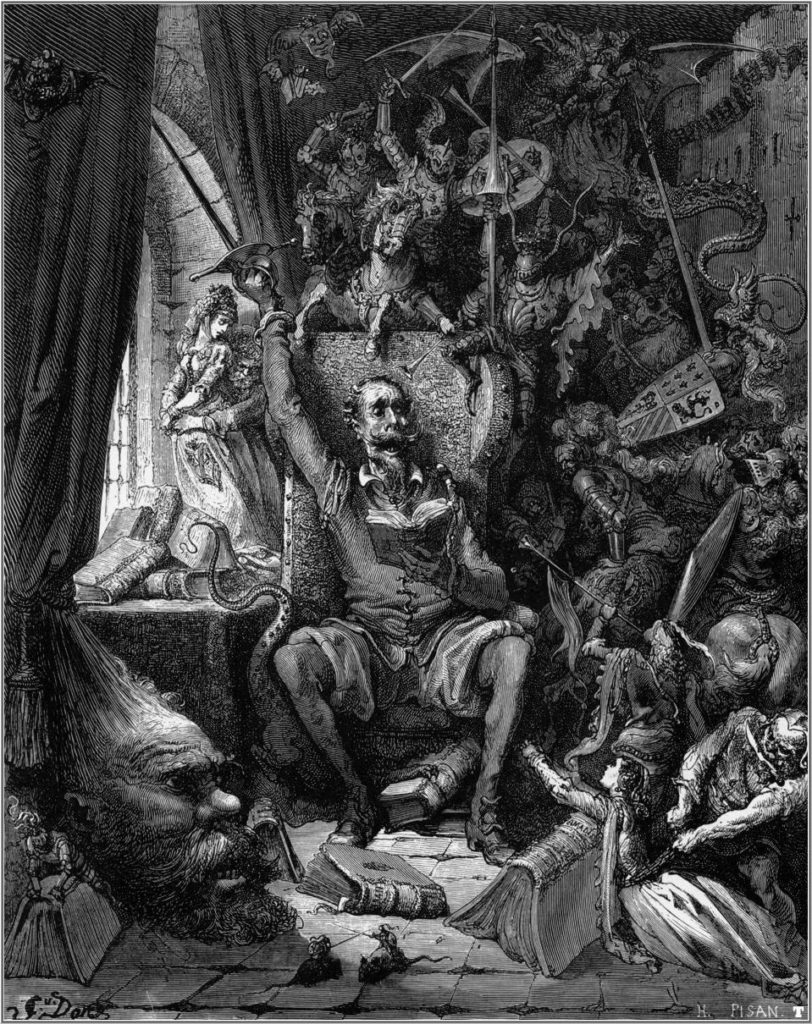
 When a writer walks away from a text, she vanishes. Roland Barthes calls this “The death of the author.” The death of the author, however, is the birth of the reader! So, let me be the first to congratulate you as you step in for the author and rewrite everything, animate the work and perform the text. A piece of writing, like a music score, is a set of mute symbols until it is played. Only then does it come alive.
 “I” is not a person. “I” is a letter. “I” is a word. Letters and words carry with them traces of their history, tracks that lead back in time, in the shapes of the letters and the derivations of the words. Our letter comes from the Egyptian pictogram of an arm, representing the long-”A” sound, later incorporated into the proto-Semitic language because their word for arm started with that sound (as ours does). Perhaps we can read a connection here between self and action. A derivation of the letter can be found in most Semitic alphabets. The letter Yud – Yodh, Yod, Ye or Jodh – is the tenth letter in Hebrew, Aramaic, Syriac, Persian and Arabic. In Hebrew, two Yud in a row represent Adonai, a name of God. Mystical significance is attached to this divine name because it is formed from the smallest letter.