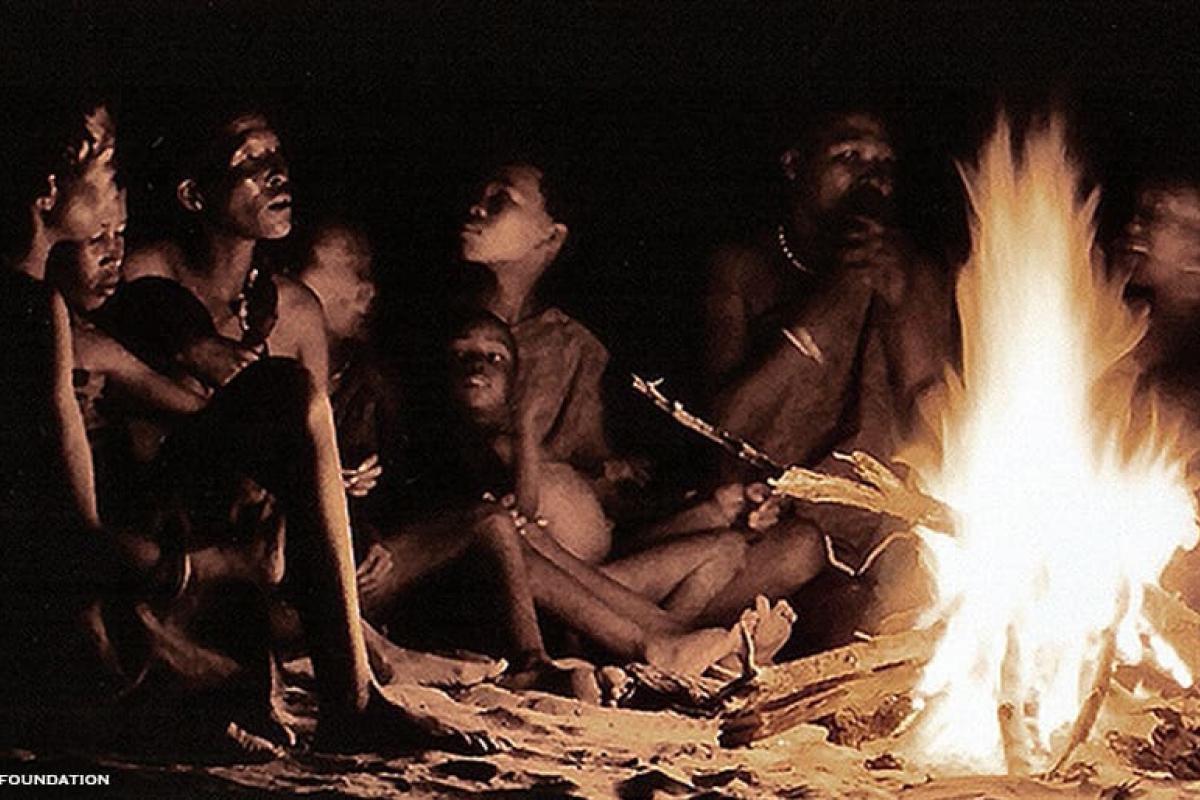
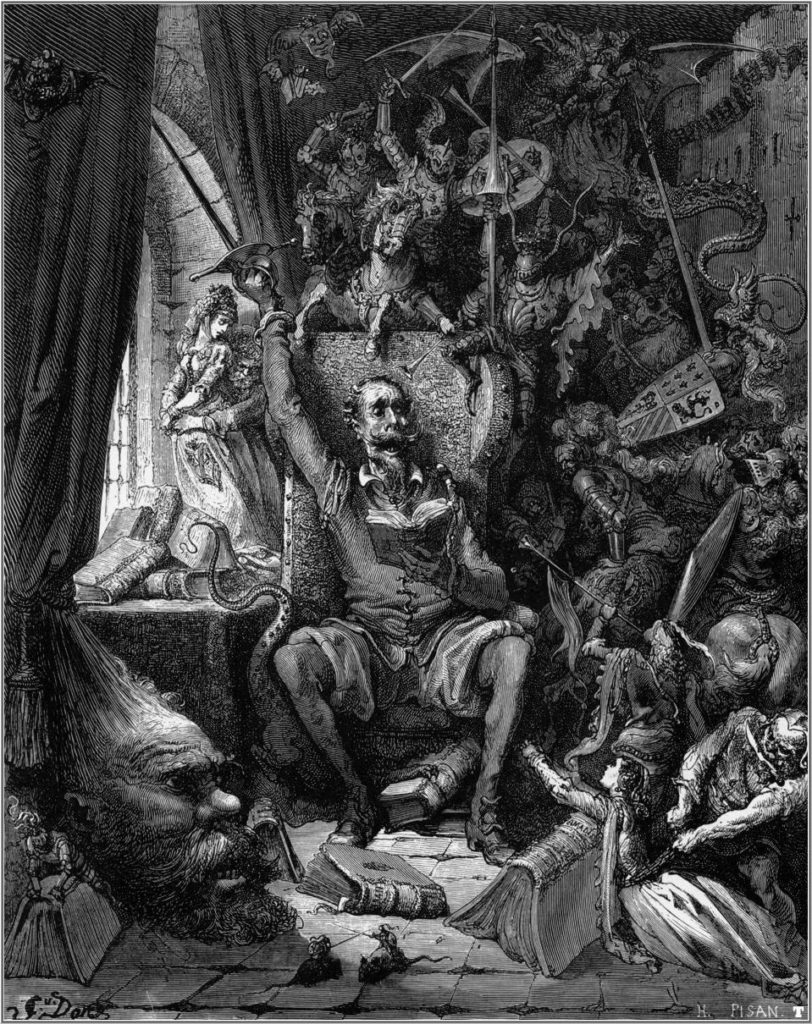
What distinguishes humans from the animals are statements like “What distinguishes humans from the animals . . . .” In other words, the only thing that separates us from animals is an ongoing narrative that says we are not animals. The human is the animal that pretends that it is not. Most of our social rules are designed to hide our animal natures from ourselves: shaving our beards, using deodorant, wearing clothes, buying prepackaged meat, using silverware, not fighting over food, not farting or fucking in public.

Edwin Landseer, Scene from A Midsummer Night’s DreamContinue reading
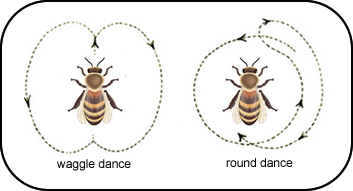 Well, yes. The language of the bees still astounds scientists. Bees communicate symbolically in the form of a dance, passing on information about distance, difficulty and value of potential food sources. They dance in the present about past experiences in order to exploit future resources. Other bees do their little dance, explaining alternative sources of pollen, and then somehow the bees come to a decision about the best source. An insect, a creature from the lower orders – far down the hierarchy of animals (at the top of which we have placed ourselves) – can clearly tell stories and make value judgements about them. (Read all about it in biologist and sociologist
  Since language is inherently narrative and its stories strongly influence our perception and actions, it is important to understand what narrative is.