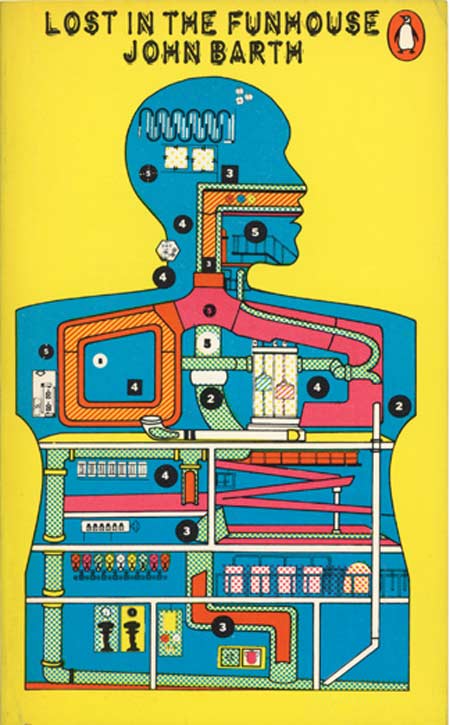
Centre Georges Pompidou demonstrates the danger of meta:
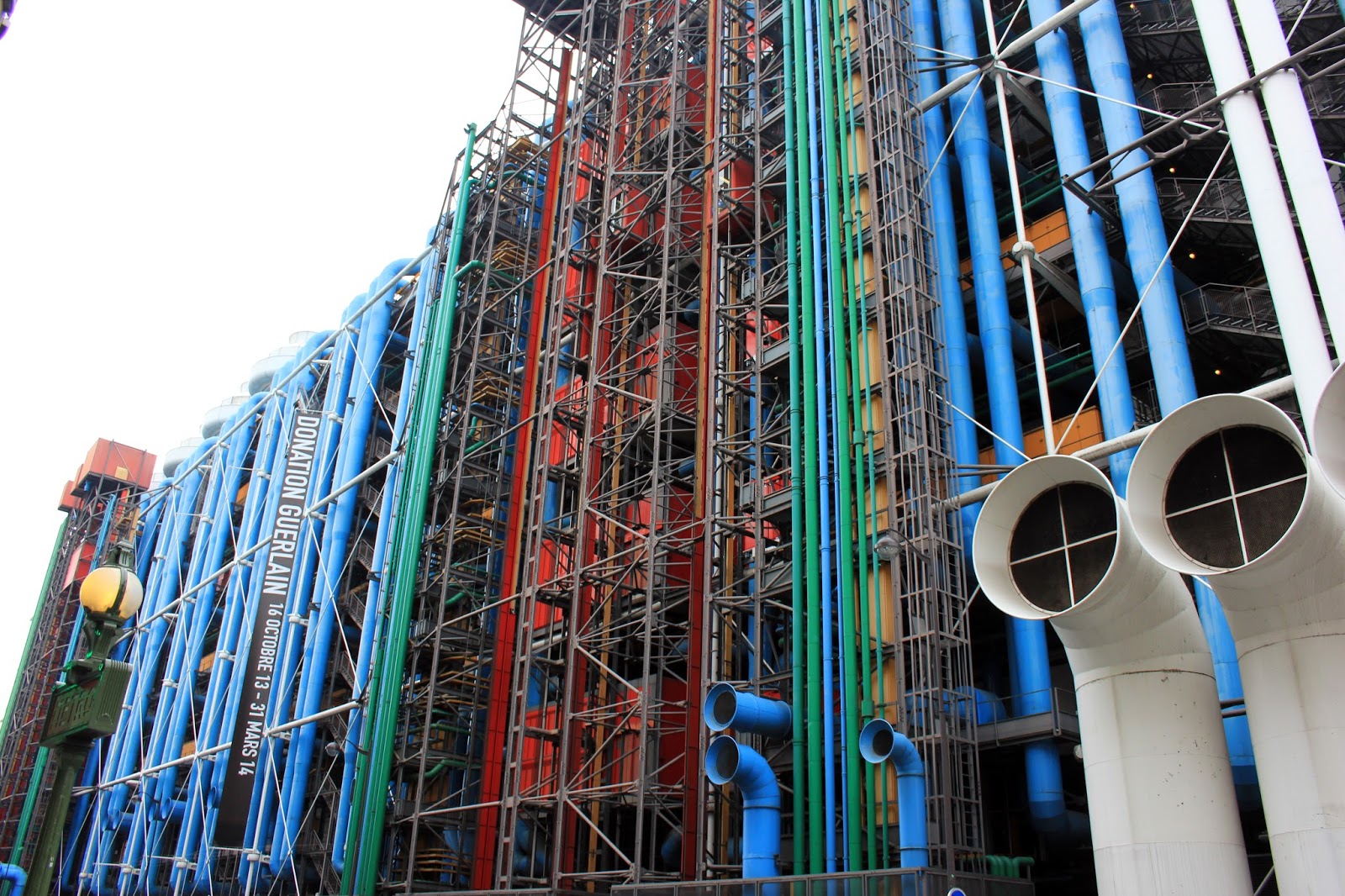
(Image from fun-en-bulle-castbd.blogspot.com)
The Parisian art museum built in 1977 is meta-architecture because it exposes elements of a building that are usually hidden, placing them on the exterior. It teaches us to see a building as a material object made up of structure, support, pipes, wires. In the picture below some pipes are painted different colors, suggesting different systems, thus “exposing the device,” showing us how the building works. Very interesting, no doubt. So what’s the problem?
Continue reading
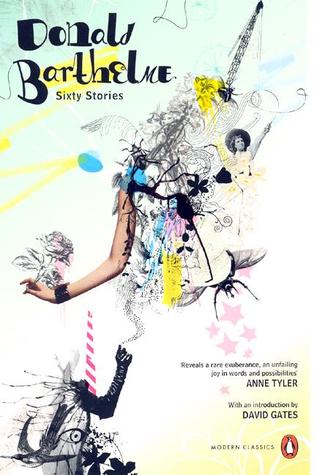 This introduction to Donald Barthelme’s short story “The School” is non-fiction. Non-fiction means “not fiction.” Fiction, as you have learned, is a story that is “not true.” In other words non-fiction, on a linguistic level, is “not not-true.” This means, logically, when you cancel out the negatives, that the non-fictional information I am about to give you, is — I am very pleased to say — true.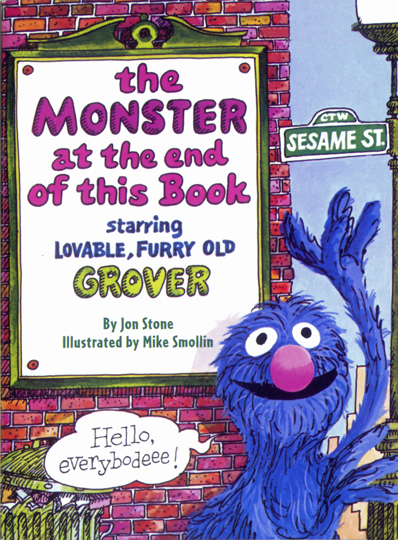
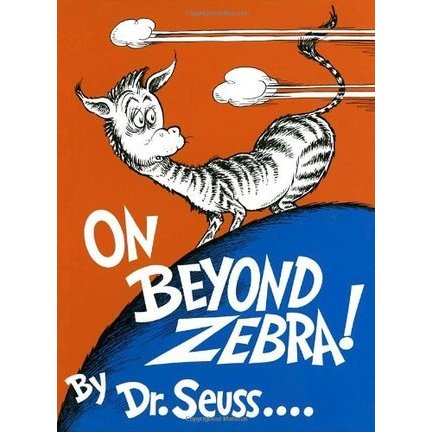 In On Beyond Zebra by Dr. Seuss, Conrad Cornelius o’Donald o’Dell, who is just learning to spell, writes out the alphabet on a chalkboard and says, “The A is for Ape. And the B is for Bear. / The C is for Camel. The H is for Hare.” He knows all the letters through to Z for Zebra. “So now I know everything anyone knows / From beginning to end. From the start to the close. Because Z is as far as the alphabet goes.” In other words, the alphabet allows him to learn about the known animals of the world, the implication being that without the alphabet he may never have known about hares or zebras.


 “The Things They Carried” is a short work of fiction. The Things They Carried is also the name of what could be called a short-story collection or perhaps a meta-fictional novel. It’s a pastiche of fiction, nonfiction, fantasy, memoir, author’s notations, and literary commentary.